
🚀 From the Biloxi Seawall to Apollo 13: A Conversation with Fred Haise
Some episodes you plan for months.
Others happen because the stars line up just right.
Episode 339 of Brown Water Banter falls into the second category.
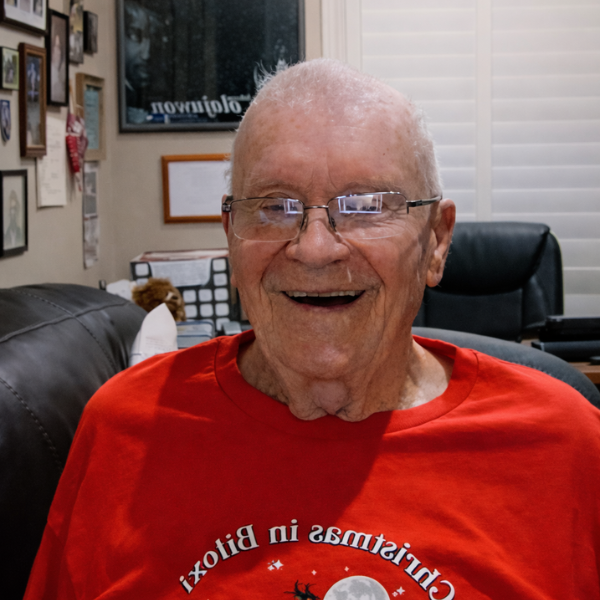
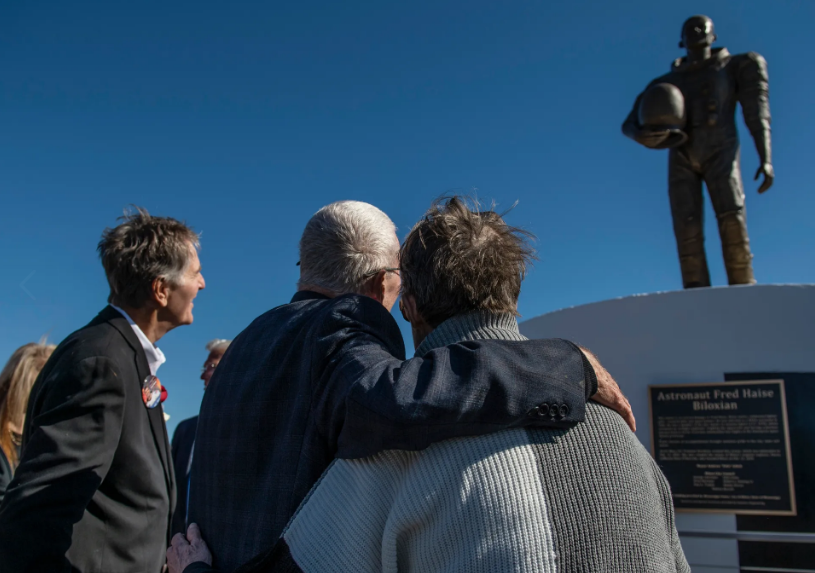
We were lucky enough to sit down with Fred Haise — Apollo 13 astronaut, test pilot, NASA legend, and maybe most importantly for us, a Biloxi native. A guy who grew up fishing, crabbing, and roaming the Mississippi Gulf Coast long before spaceflight ever crossed his mind.
Before there was NASA, before Apollo, before the words “Houston, we’ve had a problem” echoed around the world, Fred Haise was just a kid growing up in a small coastal town of about 14,000 people.
🌊 Growing Up Gulf Coast
Fred paints a picture of Biloxi that feels familiar to anyone who grew up here decades ago — and even to many of us now. Kids roaming freely until dusk. Fishing and floundering at night. Crabbing with chicken necks off the seawall. Seafood plants lining the coast. Supper instead of dinner.
It was a life built around the water, the outdoors, and community.
Fred talked about throwing oyster shells, skipping them across the water, fishing from a small skiff powered by what felt like a massive engine at the time, and living in a place where people didn’t worry about locking things up or watching over their shoulder.
It’s the kind of upbringing that quietly builds independence, confidence, and problem-solving — traits that would later define his career in aviation and space.
📰 From Journalism to the Military
What surprises most people is this: Fred didn’t dream of becoming an astronaut.
He actually started out in journalism.
He worked for the local newspaper as a kid, delivering papers, covering sports, and eventually serving as editor for school publications. For a time, that looked like his future path.
But history — and duty — had other plans.
With the Korean War underway and a family history of military service, Fred made the decision to serve. At just 18 years old, he joined the Navy through an aviation cadet program… without ever having been on an airplane.
The first flight changed everything.
From that moment on, aviation wasn’t just interesting — it was life-defining.
✈️ The Test Pilot Years
Fred’s path didn’t take him straight to space. Instead, he became a test pilot — one of the most demanding and dangerous jobs in aviation.
He spent years flying cutting-edge aircraft, working hand-in-hand with engineers, pushing planes safely to their limits, and helping improve aircraft design and safety — including aircraft used by everyday pilots.
This wasn’t adrenaline chasing. It was disciplined, calculated risk. Incremental testing. Planning for failure before failure ever happened.
That mindset would later prove critical.
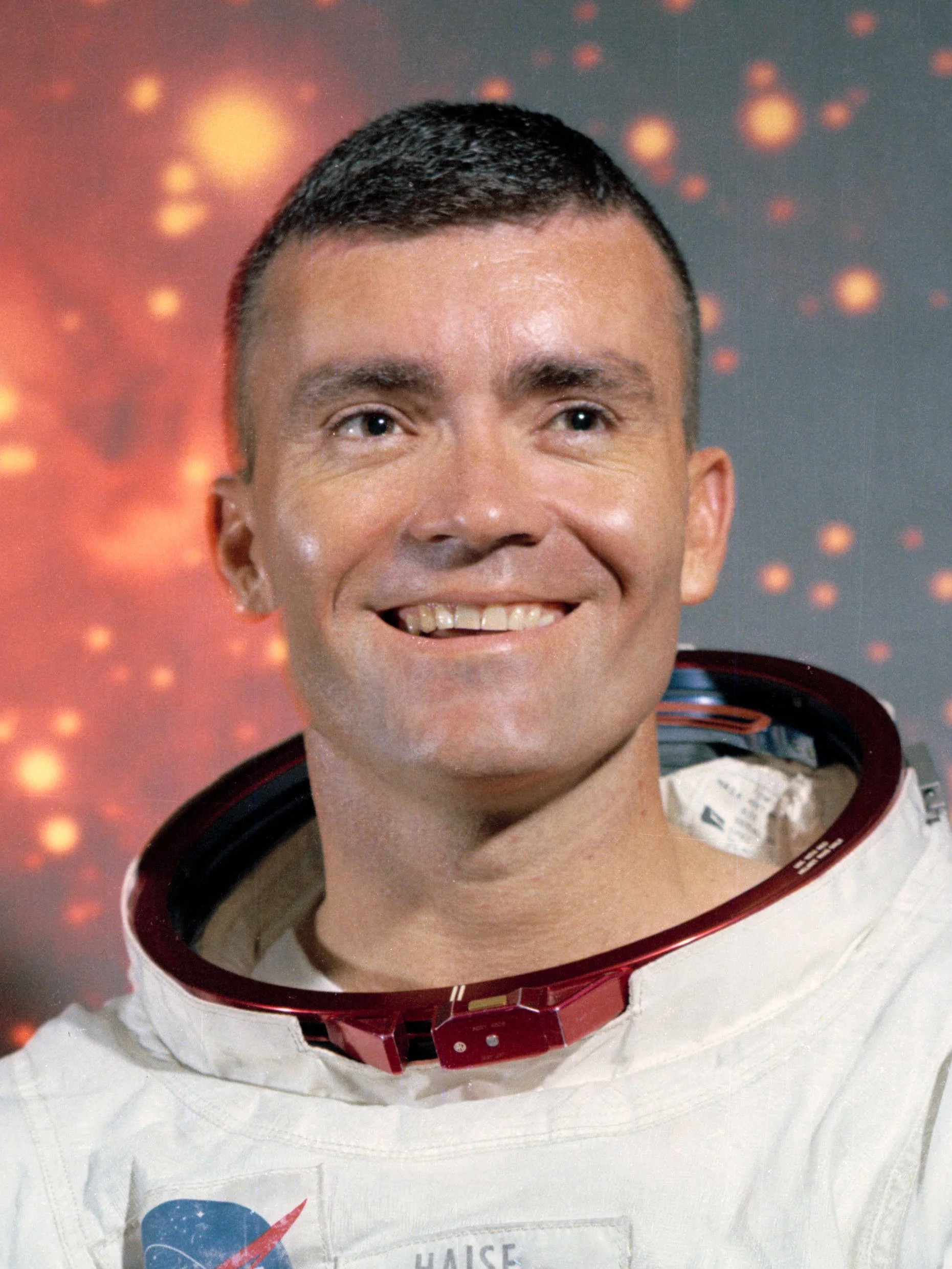
🌌 Becoming an Astronaut
Fred eventually realized that if he wanted to go higher and faster than the experimental aircraft world allowed, there was only one next step.
NASA.
In 1966, after years of flight testing and engineering experience, he was selected as one of 19 astronauts from a pool of more than 500 highly qualified applicants.
From there came thousands of hours of training — simulators, geology fieldwork, systems failures, emergency scenarios, EVA practice, and mission rehearsals designed to prepare astronauts for situations no one hoped they’d ever face.
Ironically, that preparation would soon prove invaluable.
🛠️ Apollo 13 and the Power of Preparation
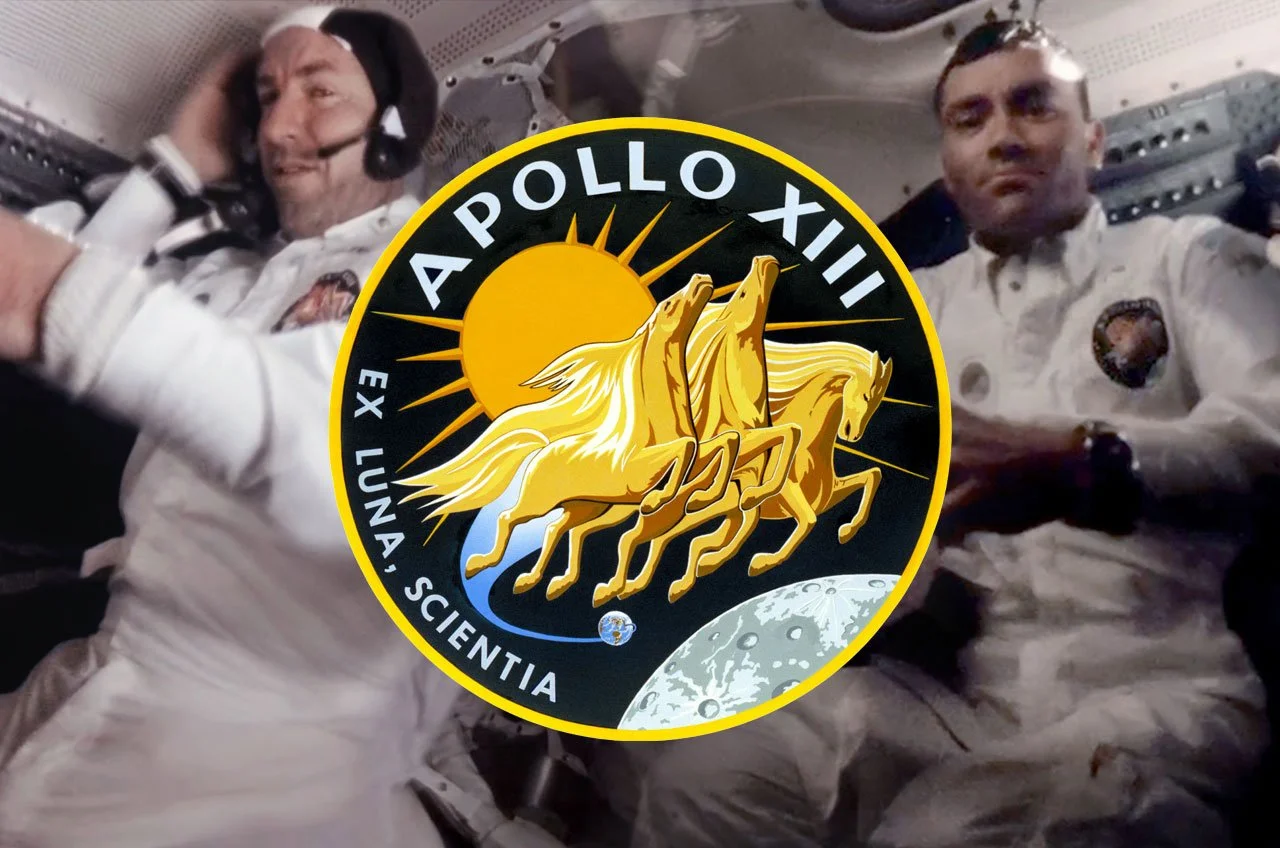
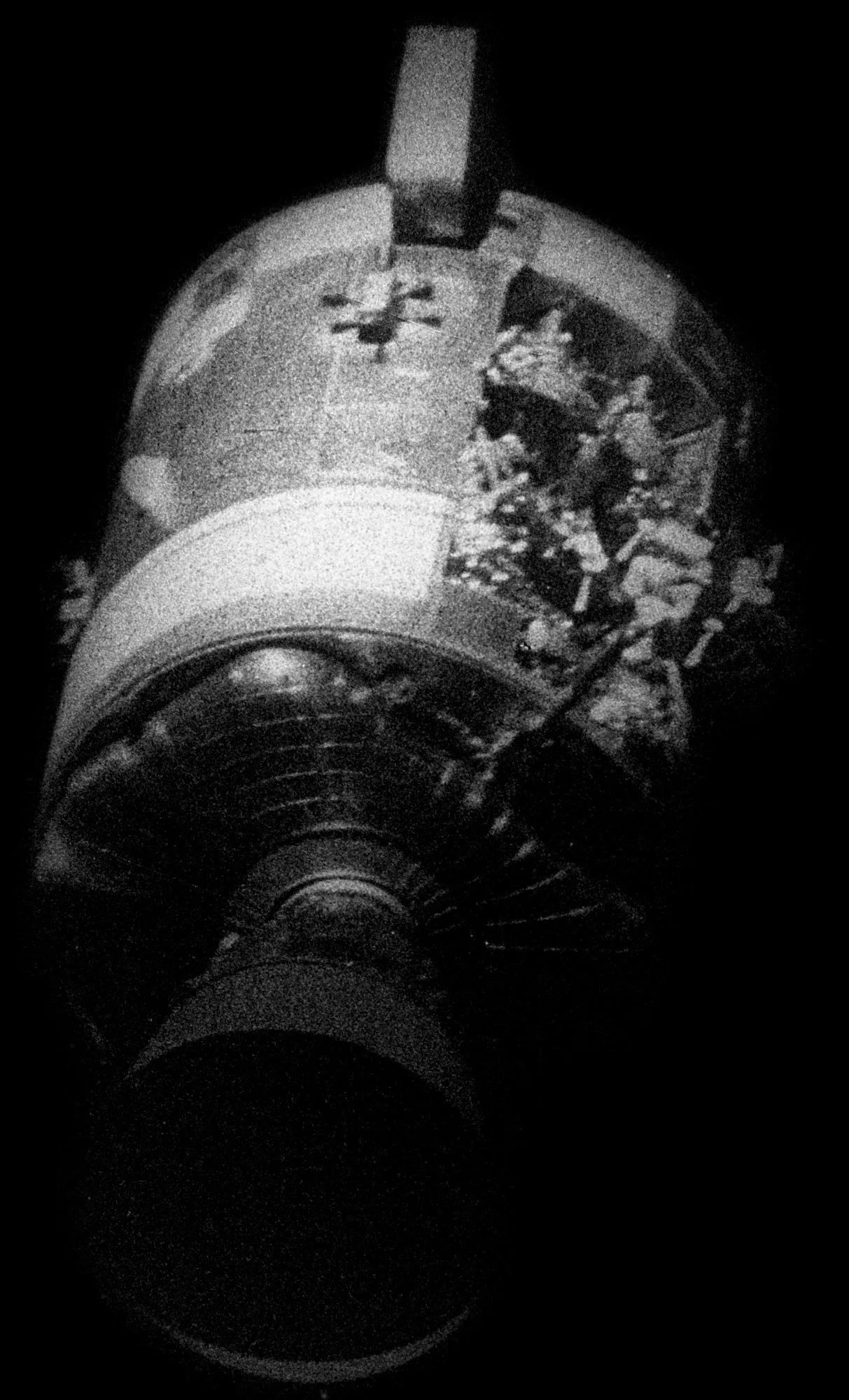
Apollo 13 was supposed to be NASA’s third mission to land on the Moon. Two days after launch, an oxygen tank exploded inside the spacecraft, crippling the command module and instantly turning the mission from a lunar landing into a fight for survival.
Power, oxygen, heat, and water were suddenly limited, and the crew was forced to shut down most systems and use the lunar module as a lifeboat just to stay alive.
With no margin for error, the astronauts and Mission Control worked together to improvise solutions in real time — using checklists, simulations, and training that had prepared them for failures no one ever expected to face at once.
Thanks to that preparation and teamwork, Fred Haise and his crewmates were able to safely return to Earth, turning what could have been a disaster into one of NASA’s greatest success stories.
⭐ Why This Conversation Matters
This episode isn’t just about space.
It’s about how upbringing shapes character. How small coastal towns can produce world-changing people. How preparation beats panic. And how curiosity and discipline can carry someone from a Biloxi seawall all the way beyond Earth.
Fred Haise’s story reminds us that greatness doesn’t always start with a grand plan. Sometimes it starts with fishing at low tide, working a paper route, saying yes to service, and being willing to learn — step by step.
It’s a reminder that extraordinary paths often begin in ordinary places.
We’re honored to share this conversation.